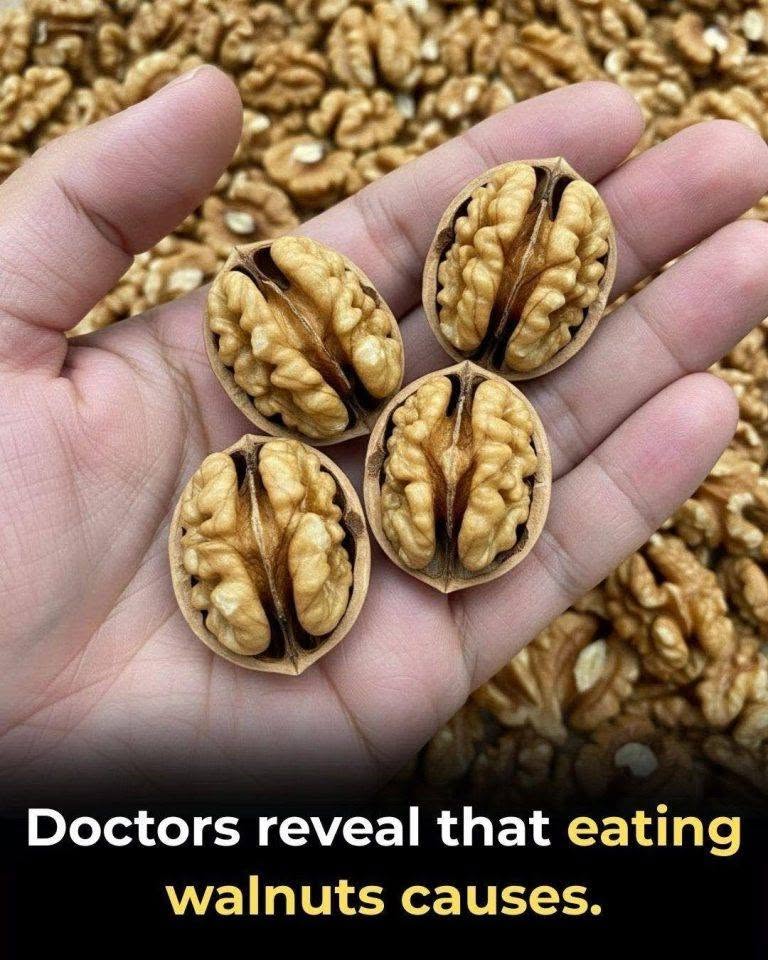
walnuts in an airtight container inside the refrigerator can help prevent them from becoming rancid and extend their shelf life.
Both the walnut flesh and its thin skin are rich in antioxidants that contribute to many of the health benefits associated with this nutritious food.
Nutritional Value of Walnuts
When examining the nutritional profile of walnuts, it becomes clear why they are often considered a “super nut.” They provide a balanced combination of healthy fats, plant protein, vitamins, minerals, and fiber.
A one-ounce serving (about 28 grams or 14 walnut halves) contains approximately:
185 calories
4.3 grams of protein
about 2 grams of dietary fiber
45 mg of magnesium
Walnuts are also low in carbohydrates and have a low glycemic index, which makes them a suitable snack option for people who want to maintain stable blood sugar levels.
In addition to these nutrients, walnuts containan excellent mix of polyunsaturated